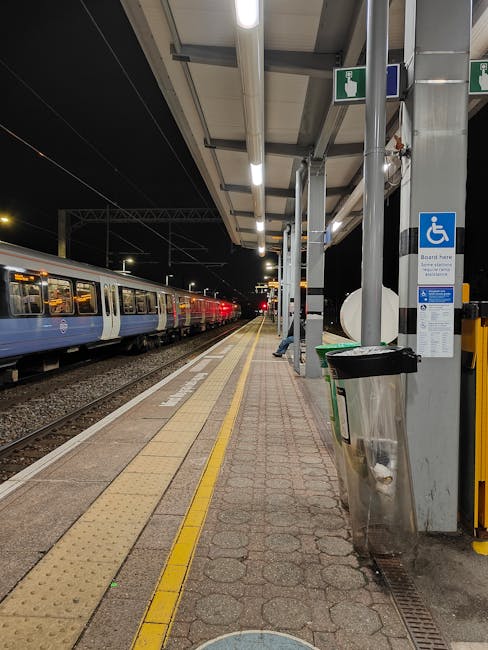
Balham Station Furniture Removals Last Metre Access Tips
If you have ever moved a sofa through a Victorian hallway that seems to shrink by the minute, you already know why the last few metres matter. Balham Station furniture removals last metre access tips are all about that awkward final stretch: the path from the van, through the building entrance, up stairs, around corners, and into the room where the furniture actually belongs. It sounds small. It rarely is.
In Balham, the tricky bit is often not the distance from the property to the van. It is the last metre, the bit where stairs pinch, lift doors feel a little too narrow, parking is tight, and one scratched banister can turn a decent day into a headache. This guide breaks down how to handle that final access safely, efficiently, and without the usual stress. You will find practical steps, useful checks, a comparison of methods, and the sort of common-sense advice that saves time on the day.
For readers planning a house move or moving a few bulky items near Balham Station, it also helps to understand the broader removal service picture. If you are comparing options, a trusted removal company or a flexible man and van setup can make the final carry much smoother, especially when access is less than generous.
Table of Contents
- Why Balham Station furniture removals last metre access tips Matter
- How Balham Station furniture removals last metre access tips Works
- Key Benefits and Practical Advantages
- Who This Is For and When It Makes Sense
- Step-by-Step Guidance
- Expert Tips for Better Results
- Common Mistakes to Avoid
- Tools, Resources and Recommendations
- Law, Compliance, Standards, or Best Practice
- Options, Methods, or Comparison Table
- Case Study or Real-World Example
- Practical Checklist
- Conclusion
- Frequently Asked Questions
Why Balham Station furniture removals last metre access tips Matters
The final metre is where furniture moves are won or lost. Most of the planning usually focuses on packing, van size, and timing, but the real friction often appears at the entrance, the landing, the hallway turn, or the door frame that looks wider from a distance than it really is. In a busy area like Balham, near the station and surrounding streets, those last steps can be affected by pedestrians, parked cars, tight kerbs, and limited waiting space.
Why does this matter so much? Because bulky items are unforgiving. A wardrobe that glides perfectly in a warehouse may become awkward the moment it meets a narrow stairwell. A dining table can twist unexpectedly. A refrigerator can tip if the route is not controlled. And once a mover is forced to improvise in a narrow entry, the risk of damage rises fast. Truth be told, it is rarely the sofa that causes the anxiety. It is the doorway before the sofa.
Good last metre planning reduces stress for everyone involved. It helps protect the furniture, preserves walls and flooring, and keeps the move moving. It also improves safety, which is not just a nice-to-have. If someone has to twist, lift, or carry under pressure, the chance of strain goes up. That is why many professional movers will ask about access before they even talk about the largest item.
Expert summary: last metre access is less about brute strength and more about route planning, timing, protection, and communication. The better the route, the calmer the move.
For more context about service standards and customer care, it can be useful to look at the company's health and safety policy and insurance and safety information before booking. That small bit of homework can save a lot of worry later.
How Balham Station furniture removals last metre access tips Works
At its simplest, the process is about controlling the final route from vehicle to placement point. That route usually includes kerbside unloading, entry to the building, movement through communal space, stair or lift use, hallway turns, and the final placement in the room. Each stage has its own challenge, and each one benefits from a little thinking ahead.
The work typically starts before moving day. A mover or customer will assess the property access: Is there a lift? Is the stairwell straight or winding? Are there railings, low ceilings, or tight bends? Can the van stop nearby, or will items need to be carried a longer distance from a legal parking spot? If you are moving around Balham Station, that final staging area can matter almost as much as the property itself.
There is also the question of item preparation. Some furniture is best taken apart partially. Sofas may need feet removed. Bed frames may need slats bundled. Mirrors, glass tops, and cabinet doors should be secured. The less a piece can snag, the easier it moves through the last metre. It sounds obvious, but in a real staircase with bad lighting and a bit of rain on the pavement, obvious is exactly what people forget.
Professional teams often use a combination of moving blankets, straps, dollies where appropriate, corner protectors, and clear verbal calls during the carry. You will hear things like "top step," "pause," or "turning left now." It is simple language, and that is the point. The last metre is not the place for vague instructions.
If the move includes a business property or a mixed-use building, the route may need extra checks. In those cases, a service such as office removals or broader commercial moves planning can help because building access, lift bookings, and peak-time restrictions become part of the job rather than an afterthought.
Key Benefits and Practical Advantages
When the last metre is planned properly, the benefits are immediate and very practical. There is less handling, less frustration, and fewer delays. But there are a few deeper advantages worth noting too.
- Lower risk of damage: A measured carry reduces the chance of scuffs, dents, crushed corners, and chipped paint.
- Safer lifting: Clear access planning means less awkward twisting and fewer rushed movements.
- Faster completion: When everyone knows the route, loading and unloading go more smoothly.
- Less disruption to neighbours and building users: Especially important in shared stairwells or apartment blocks.
- Better use of labour: You are not paying people to stand around discussing whether the wardrobe will fit after all. That dance gets old quickly.
There is also a psychological benefit. A well-managed last metre makes the entire move feel under control. You can hear it in the tone of the team. Less muttering, fewer pauses, fewer "let's just try it this way" moments. That calmness matters on move day, especially if you are juggling keys, parking, children, or a landlord waiting at the other end.
Another advantage is cost control. Access problems often lead to extra time, extra labour, or extra trips. A clear access plan helps a quote stay realistic. If you are comparing providers, it is worth looking at pricing and quotes early rather than leaving access issues to the last minute. A cheap quote can become not-so-cheap if the crew discovers the route is a puzzle box.
Who This Is For and When It Makes Sense
These access tips are useful for almost anyone moving furniture near Balham Station, but they matter most in a few common situations.
- People moving into or out of flats with narrow hallways, lifts, or stairs
- Anyone with large furniture such as wardrobes, sofas, beds, or cabinets
- Householders in older London properties where stair turns are tight
- Tenants who need a fast, low-disruption move on a fixed handover day
- Small businesses shifting desks, storage units, or reception furniture
- Customers using a moving van or smaller vehicle and needing efficient loading
It also makes sense if you are moving only one or two bulky pieces. People often assume a small job is straightforward. Sometimes it is. Other times, a single wardrobe is more awkward than a whole room of boxes because it demands precision, not volume.
If you are just moving one sofa or a few items, a flexible furniture pick up service may be enough. For larger loads, it can be better to use a team experienced with domestic removals, such as home moves or house removals, because they will usually think through access as part of the job rather than as a side issue.
Step-by-Step Guidance
Here is a practical way to handle the last metre properly. No drama, just a sensible sequence that works in real life.
- Measure the furniture and the route. Measure the widest point of the item, plus the tightest doorway, stair width, and turning space. Include handles, feet, and anything that sticks out. People forget the feet. Always the feet.
- Check the final route from van to room. Walk it slowly. Look for low light, door closers, loose mats, slippery steps, and anything hanging from walls.
- Decide what needs dismantling. Remove legs, shelves, mirror panels, or detachable parts if that makes the item safer to carry.
- Protect surfaces before moving. Use blankets, covers, or simple floor protection on any vulnerable point, especially entrance thresholds and tight corners.
- Plan the carry order. Load and unload the most awkward items when the team is fresh, not after everyone is tired and a bit sweaty. That matters more than it sounds.
- Assign clear roles. One person leads, one follows, and one watches for obstacles. Too many voices during a turn can turn a simple move into a small comedy sketch.
- Move slowly at the pinch points. Corners, stairs, and thresholds deserve patience. Rushing there is usually where damage happens.
- Place items immediately and safely. Do not leave a heavy item awkwardly in the hallway while everyone debates the final position. Finish the job cleanly.
If you are unsure about handling the carry yourself, it may be worth booking with experienced movers or exploring a more hands-on option like man with a van support for smaller or more flexible moves. The right setup depends on the access, not just the volume.
Expert Tips for Better Results
In our experience, the best last metre moves usually come down to a handful of small habits done properly. Nothing flashy. Just good discipline.
Tip 1: Photograph the access before moving day
A few quick phone photos of the entrance, stairwell, lift, and parking point can help a team understand the job before they arrive. It sounds tiny, but it can stop a lot of "I thought this would be easier" moments.
Tip 2: Keep a clear path the whole way
That means no shoes in the hallway, no bags by the door, no recycling box halfway across the landing. The cleaner the route, the fewer surprises. Simple really.
Tip 3: Use the widest, safest angle
Furniture often needs to be tilted rather than carried upright. A sofa that fails one way might pass neatly another way. Skilled movers know this instinctively, but even at home it helps to pause and test the angle before forcing anything.
Tip 4: Treat the thresholds carefully
Door thresholds, step edges, and lift lips are sneaky trouble spots. They catch wheels, scrape corners, and chip finishes. Slow down at each one.
Tip 5: Build in a buffer for Balham traffic and parking
Anyone moving near the station knows the area can feel busy, especially at peak times. A few extra minutes of buffer can make the difference between a calm unload and a rushed one. Let's face it, the van never arrives in a vacuum.
Tip 6: Ask about the route from the van to the room
If you are booking a team, ask them how they would approach the last carry. A good answer usually sounds practical and specific, not vague. You want to hear how they will manage the stairs, the corners, the parking, and the final placement.
For more reassurance around safety and handling, it is sensible to review a provider's insurance and safety information. If you want to better understand how the business works, the about us page can also help you judge whether the company sounds experienced and straightforward.
Common Mistakes to Avoid
A lot of access problems are avoidable. Not all of them, of course. Some buildings are just awkward. But a surprising number come down to planning gaps.
- Underestimating the narrowest point: The hallway may look fine, but the bend or doorway may be the real issue.
- Forgetting removable parts: Feet, arms, shelves, and handles can make the difference between a clean pass and a failed attempt.
- Leaving packing too late: Loose contents make furniture heavier, less stable, and harder to control.
- Ignoring weather: Wet steps and slippery pavement change the job quickly, especially in the morning.
- Not checking lift size: A lift that fits people does not always fit furniture. Annoying, yes. True, also yes.
- Blocking the route with boxes: Boxes parked in the hallway create trip hazards and slow the team down.
- Using too few people for a heavy item: One strong person does not always beat two well-coordinated people.
Another mistake is treating the last metre like an afterthought because the item has "already been moved" from the van. That mindset is risky. The furniture is not safe until it is in place, upright, and stable in the room. Until then, it is still on the job.
Tools, Resources and Recommendations
You do not need a warehouse full of specialist kit, but the right basic tools make a huge difference. Professional teams often rely on a small, sensible kit rather than complicated equipment.
| Tool or Resource | What It Helps With | Best Use |
|---|---|---|
| Moving blankets | Protecting furniture edges, walls, and door frames | Wrap large or delicate items before the carry |
| Straps | Keeping items stable and secure | Useful for awkward loads and team lifting |
| Corner protection | Preventing scuffs on painted edges and sharp turns | Ideal in stairwells and narrow halls |
| Floor protection | Guarding against scratches and dirt transfer | Helpful on timber floors and communal landings |
| Basic hand tools | Removing legs, shelves, or fittings | Use during dismantling before moving |
| Simple route notes | Sharing access details clearly | Best for booking and move-day coordination |
There are also service-level resources worth considering. If you want help with packing before the move, packing and unpacking services can reduce the chance of loose items shifting inside furniture. If you are deciding between vehicle sizes, looking at a removal van or a larger moving truck may help you match the vehicle to the access rather than guessing.
For broader service comparisons, some people prefer a compact man with van removal arrangement for simpler loads, while others need a fuller team or more structured removal services package. The right answer is the one that fits the building, the furniture, and your timeline. Not always the biggest van. Not always the cheapest quote.
Law, Compliance, Standards, or Best Practice
For furniture removals, the main practical standards are about safety, access, and care. In the UK, good removal practice usually means keeping walkways clear, lifting safely, not overloading people or vehicles, and protecting the property being entered or exited. You do not need to be a lawyer to understand the basics, thankfully.
If a move takes place in a shared building, there may be building rules about lifts, loading bays, or moving hours. Some landlords and managing agents also expect advance notice. That is not unusual. In fact, it is often the difference between a smooth arrival and a very awkward lobby conversation.
Insurance is another common-sense issue. You should always know what is covered, what exclusions exist, and what the mover expects from you regarding access and preparation. A reputable business should be able to explain this clearly. If that information is hard to find, or buried under vague wording, treat that as a sign to ask more questions.
Best practice also includes honest communication about access. If the job involves a steep stair, a tight turn, or a long walk from the van, say so early. It is not a weakness. It is the sort of detail that makes the whole job safer and more predictable.
For peace of mind, it can help to review terms and conditions alongside payment and security information before confirming a booking. That way, you know what is expected on both sides. Simple, clear, less stress.
Options, Methods, or Comparison Table
Different moves need different approaches. The best method depends on access, furniture size, and how much support you want on the day.
| Approach | Best For | Strengths | Limitations |
|---|---|---|---|
| DIY with helpers | Very small loads and straightforward access | Low upfront cost, flexible timing | Higher risk of injury or damage if access is tight |
| Man and van | Small to medium furniture moves | Flexible, often practical for urban access | May need more planning if items are bulky |
| Full removal team | Flats, family homes, and awkward stair access | Better handling, more support, usually quicker | Costs more than a minimal setup |
| Specialist furniture collection | Single items or one-off pickups | Simple for one-piece jobs | Not always suitable for complex multi-item moves |
If you are mainly moving household goods and want a fuller moving setup, house movers or house removalists can be the better fit. If it is just one or two pieces and access is fairly manageable, a smaller vehicle or a flexible local team may be enough. There is no trophy for choosing the largest option. The right fit is the win.
Case Study or Real-World Example
Picture a typical move near Balham Station. A family is moving out of a first-floor flat into a nearby house. The sofa is the problem item. On paper, the move looks easy: a short distance, one van, and a couple of strong helpers. But the flat has a sharp staircase turn, a narrow front door, and a landing with a low ceiling edge. Standard stuff for the area, really.
The move works because the team checks the route before lifting. They remove the sofa feet, protect the entrance frame, and carry the item on its side through the turn rather than forcing it upright. The van is parked as close as legally possible, and the unload is done before the corridor fills with passing traffic. That little bit of preparation means no scraping, no panic, and no "we may need to try again" moment.
Now compare that with the version where nobody measures anything. The sofa is lifted straight away, catches the turn, gets wedged halfway, and everyone has to rotate in a cramped hallway while somebody holds a door open with one shoulder. Nobody enjoys that scene. Nobody. It is the kind of moment that makes a move feel much longer than it really is.
The difference is rarely strength. It is almost always route awareness, timing, and patience. That is why good last metre access tips pay off so well.
Practical Checklist
Use this checklist before the van arrives. It keeps the final carry under control and helps you spot problems early.
- Measure the largest furniture items, including feet, handles, and projections
- Measure the narrowest doors, turns, stairs, and lift openings
- Confirm whether any items need partial dismantling
- Clear hallways, entrances, and stairwells of boxes and loose items
- Protect floors, door frames, and corners where needed
- Check parking or stopping arrangements near the property
- Tell movers about any steep stairs, tight bends, or low ceilings
- Prepare tools for quick dismantling if required
- Keep valuables, documents, and small items separate
- Confirm the final room destination for each item before unloading
If you are still comparing service levels, you can also look at removals and removals near me options to judge what feels practical for your access situation. For local enquiries, the main contact us route is there when you are ready to discuss the details.
Get a free quote today and see how much you can save.
Conclusion
Balham Station furniture removals last metre access tips are really about making the final stretch simple. Measure properly, clear the route, protect the surfaces, and speak plainly about the awkward parts before moving day. Do that well, and the whole job feels less like a battle and more like a well-run handover.
In busy London areas, small details carry a lot of weight. A few minutes spent checking the route can prevent damage, reduce stress, and make the day feel far more manageable. And, to be fair, that is what most people want from a removal: not perfection, just calm, competent progress from van to room.
When the last metre is handled with care, the move ends the way it should - with the furniture where it belongs and everyone able to breathe again.
Frequently Asked Questions
What does "last metre access" mean in furniture removals?
It refers to the final part of the move from the van or loading point into the property and finally into the room. This is where doors, stairs, lifts, and corners usually create the most trouble.
Why is Balham Station access often tricky for furniture moves?
The area can involve tight streets, limited stopping space, busy pedestrian flow, and older buildings with narrow entrances or stairs. Those features make careful planning important.
Should I dismantle furniture before a move?
If the item is large, awkward, or likely to snag on a tight turn, yes, at least partially. Removing feet, shelves, or loose components can make a big difference.
How do I know if a sofa will fit through the stairwell?
Measure the sofa at its widest point and compare that with the narrowest stair turn, doorway, and landing space. If the numbers are close, assume you will need a careful angled carry or partial dismantling.
Is a man and van service enough for awkward access?
Sometimes, yes. For smaller loads or short local moves, a man and van removals setup can work well. For bulkier furniture or complex access, a fuller team may be better.
What should I tell my removals team before move day?
Tell them about stairs, lifts, parking, narrow doors, low ceilings, and any items that cannot be split down. The more precise you are, the easier the job becomes.
Do I need to reserve parking near Balham Station?
If the van cannot stop safely and legally close enough, the carry becomes longer and slower. You should always plan parking in advance where possible, especially in busier streets.
How can I protect walls and floors during the final carry?
Use blankets, floor covers, corner protection, and careful lifting techniques. The key is to protect the pinch points, not just the main room.
What is the biggest mistake people make on moving day?
They underestimate the access route. The item itself may be manageable, but the hallway, turn, or doorway can be the real problem.
Are there different rules for flat moves versus house moves?
Yes, usually. Flats often involve shared entrances, communal stairs, lifts, and neighbours, while house moves may involve longer outdoor carries or tighter internal hallways. Both need access planning, just in slightly different ways.
How do I choose between a removal van and a moving truck?
Choose based on the size of the load, the loading space available, and how easy it is to access the property. A smaller vehicle can sometimes be the better choice in tight urban settings.
Can I book packing help as well as the move itself?
Yes, and for awkward furniture it can be a very sensible idea. Good packing and unpacking services can reduce last-minute chaos and make the carry safer.
How far in advance should I plan access details?
Ideally a few days ahead, or as soon as you know the property layout and moving date. Even a short note with measurements and photos can be enough to prevent trouble later.
What if the furniture does not fit on the day?
Stay calm and reassess the route, the angle, and whether a part can be removed safely. Most problems have a workaround, but forcing the issue usually causes damage. Better to pause than push.