Health and Safety Policy for Balham Removals
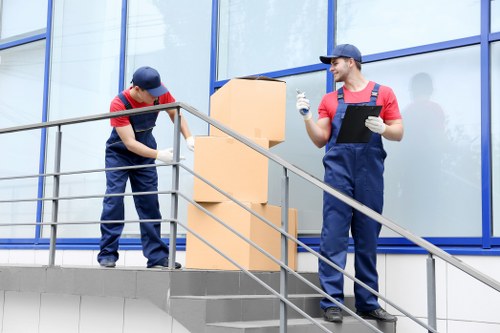 At Balham Removals, health and safety is a core part of how we plan, prepare, and complete every move. We recognise that moving homes and businesses involves manual handling, vehicle movement, access challenges, and the careful handling of fragile or heavy items. Our approach is designed to protect our team, our customers, visitors, and any third parties who may be affected by our work. This removals safety policy sets out the standards we follow to reduce risk and maintain a safe working environment throughout each stage of a removal.
Our Commitment to Safety
We are committed to operating in a way that prioritises prevention. That means identifying hazards before work begins, putting suitable controls in place, and ensuring everyone involved understands their responsibilities. The Balham removal company will aim to eliminate avoidable risks wherever possible and to manage any remaining risks with practical, proportionate measures. This includes safe lifting techniques, the correct use of equipment, careful route planning, and clear communication between crew members.
Responsibilities and Accountability
 All staff are expected to work safely, follow instructions, and report concerns immediately. Managers are responsible for overseeing safe operations, ensuring risk assessments are completed where needed, and confirming that equipment and vehicles are kept in suitable condition. Team members must never take unnecessary shortcuts, especially when handling heavy furniture, dismantling items, or moving goods through narrow spaces. Customers also play an important role by sharing relevant information about access, hazards, and special items before the move takes place.
Our health and safety policy for removals covers both routine and exceptional situations. We expect our crews to remain alert to changing conditions, such as wet floors, poor lighting, unstable loads, uneven surfaces, or obstructions in stairwells and driveways. Where a risk cannot be removed entirely, it must be controlled through suitable precautions. Safety is not treated as a separate task; it is part of the quality of service we provide on every job.
Risk Assessment and Safe Planning
Before each move, we assess likely hazards so that work can be planned responsibly. This may involve reviewing access points, identifying items that require extra care, and considering whether additional equipment or personnel are needed. 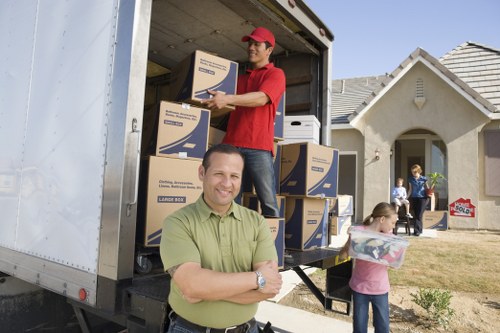 A well-planned move reduces the chance of injury and damage while improving efficiency. In our safe removals procedures, we also consider the impact of weather, parking arrangements, lift use, and the sequence in which items should be loaded to minimise strain and delay.
Manual Handling and Use of Equipment
Manual handling is one of the most significant risks in the removals industry. To manage this, we use trained lifting practices, team lifting where necessary, and appropriate tools such as trolleys, straps, blankets, and protective covers. Items should be assessed before lifting, and loads should be kept within safe limits. Employees must use equipment correctly and inspect it before use. Defective or unsafe equipment must be removed from service immediately. This commitment supports the standards expected from a professional removals service.
We also take care to protect people from slips, trips, and falls. Work areas should be kept clear of packaging, loose cords, discarded materials, and other obstacles. Where floors are wet or surfaces are uneven, additional caution is required. Lighting should be sufficient for safe movement, and any temporary hazards should be highlighted promptly. As part of our moving safety practices, crews are expected to maintain orderly workspaces and avoid creating hazards while loading or unloading.
Vehicle Safety and Transport
Transport safety is another key part of our policy. Vehicles must be loaded in a balanced and secure way so that goods do not shift during transit. Drivers are expected to operate within legal road requirements, drive carefully, and adjust their behaviour to weather and traffic conditions. Regular checks help ensure that vehicles remain roadworthy and suitable for the work being carried out.  Any incident, near miss, or vehicle defect must be reported and addressed without delay.
Training, Communication, and Supervision
Training is essential for maintaining consistent standards. Employees receive instruction on manual handling, safe driving awareness, equipment use, hazard reporting, and emergency response. Supervisors monitor performance and provide support where needed, especially for complex or high-risk removals. Clear communication is encouraged at all times so that responsibilities are understood and issues can be resolved quickly. This helps strengthen the culture expected from a safe Balham removals team.
 Emergency planning is built into our working methods. In the event of an accident, fire, injury, or other serious incident, staff must act calmly, secure the area if safe to do so, and seek appropriate help immediately. First aid provisions and emergency procedures should be known to the team before work begins. Any incident must be recorded and reviewed so that lessons can be learned and future risks reduced. Our removal safety standards depend on preparation as well as response.
We expect all people involved in our operations to support a respectful and safe working environment. This includes using suitable personal protective equipment, following site rules, and treating others with care and professionalism. If circumstances change during a move, the work should pause while the risk is reassessed. Safety takes priority over speed, and no task should proceed if it cannot be completed responsibly.
Balham Removals will review this policy regularly to ensure it remains effective and relevant. Improvements may be made following incidents, changes in working practices, or updates to industry expectations. By maintaining clear standards and a shared commitment to caution, we aim to deliver a reliable removals service that protects people, property, and wellbeing at every stage.