Prices
  Request a call back
  Moving Guides
  Free quote
 Balham High Road removals guide for narrow street moves
Posted on 04/07/2026
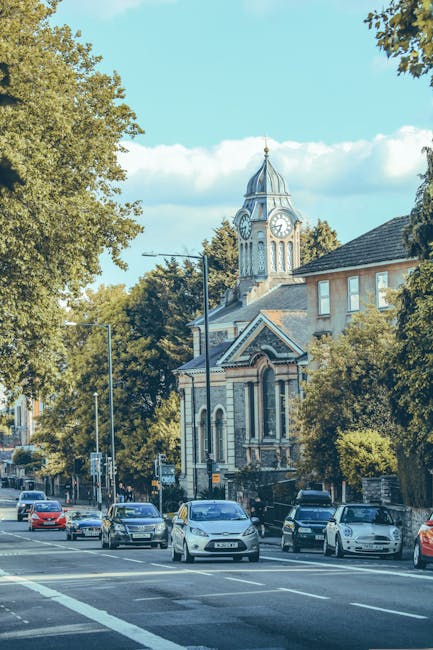
Moving on Balham High Road can feel straightforward on a map and a lot less straightforward in real life. The street is busy, parking can be tight, access may be awkward, and one badly timed van can slow everything down. This Balham High Road removals guide for narrow street moves is here to help you plan properly, reduce stress, and avoid those small issues that turn a move into a long afternoon. If you are relocating a flat, a family home, or even a small office, the same principles apply: think ahead, keep the load manageable, and respect the realities of a narrow London street.
You will find a practical step-by-step approach below, plus advice on access, loading, timing, and the common mistakes people make when they underestimate a tight road. It is not glamorous, obviously. But a calm move is usually the result of boring things done well.
Why Balham High Road removals guide for narrow street moves Matters
Balham High Road is one of those places where moving day is shaped as much by the street itself as by the contents of the house. Narrow carriageways, parked vehicles, pedestrians, delivery traffic, and the usual London stop-start rhythm all affect how smoothly a removal goes. If the van cannot get close enough, your team ends up carrying furniture farther than expected. That adds time, risk, and fatigue. Simple as that.
Why does this matter so much? Because removals are usually judged by the final two hours. If access is poor, those last two hours can become the whole day. A narrow street move needs more than muscle; it needs sequencing, awareness, and a realistic plan for where the vehicle will stop, who will carry what, and how quickly bulky items can be shifted without blocking the road.
In practice, a good removals plan for a narrow street is a mix of logistics and local sense. It helps to know whether you are dealing with a top-floor flat, a basement entrance, a shared hallway, or furniture that only turns at a certain angle. That kind of detail matters more than people think.
Expert summary: On Balham High Road, the best move is usually the one that looks a little overprepared. Clear access, a smaller vehicle if needed, careful timing, and a loading plan that avoids blocking the street can save hours.
For readers comparing removal options across the area, it may also help to review removal services in Balham and the wider services overview so you can match the job to the access conditions rather than forcing a one-size-fits-all approach.
How Balham High Road removals guide for narrow street moves Works
The process is more structured than most people expect. Narrow-street moves usually rely on a smaller operational footprint, which means fewer assumptions and better sequencing. You are trying to reduce the distance between property and vehicle, keep the load moving, and avoid unnecessary stopping and starting.
Here is the broad logic:
- Assess the street and property access. Check where the van can pause, where doors open, and whether stairs, railings, or tight corners will slow the move.
- Choose the right vehicle size. Bigger is not always better. On a tight road, a more compact vehicle can be more efficient if it gets closer to the entrance.
- Pack for carry efficiency. Boxes that are evenly filled, labelled, and sealed properly are much easier to move in a narrow stairwell or shared hallway.
- Time the load carefully. Early starts can help avoid heavier traffic, though local conditions vary. Mid-morning can also work well if residents and deliveries are quieter.
- Protect the property and the street. Use covers, straps, and sensible lifting methods so that furniture, walls, and door frames all survive the day intact.
That is the simple version. In reality, the success of a narrow street removal often comes down to the boring middle bits: good communication, knowing what is too large to carry assembled, and not pretending a double mattress is going to behave nicely on a tight staircase. It won't. Let's be honest.
If you are unsure what service fit is best, compare a standard removal with a smaller vehicle approach such as man and van in Balham or a dedicated removal van Balham option. For tighter access, a compact setup is often more practical than trying to make a large truck work against the street.
Key Benefits and Practical Advantages
A well-planned narrow street move brings benefits that go beyond convenience. Yes, it saves time. But it also protects the things people usually only think about after the fact: walls, frames, neighbours' parking, and your own energy.
- Shorter carrying distances: The closer the van can safely stop, the less lifting and walking is needed.
- Lower risk of damage: Fewer awkward turns and fewer rushed manoeuvres mean fewer scuffs and bumps.
- Less disruption to neighbours: A tidy, timed move is easier for everyone living or working nearby.
- Better use of labour: Movers spend more time shifting items and less time waiting for access to clear.
- More predictable costs: A realistic plan reduces delays that can affect labour time.
There is also a mental benefit, which people underestimate. Moving is noisy. Doors bang, tape tears, someone always shouts, "Where are the keys?" Having a clear plan for a narrow road reduces that chaos. You will notice the difference almost immediately once the first items start moving.
For larger or mixed loads, it can help to think about specific item types. For example, furniture-heavy homes benefit from furniture removals in Balham, while delicate or upright items may need something specialised like piano removals Balham. Narrow access changes the job, not just the route.
Who This Is For and When It Makes Sense
This guide is useful if you are moving from a Balham High Road flat, a maisonette above a shop, a terraced house with limited frontage, or an office space with awkward loading access. It also makes sense if you are planning a same-day move and need to keep everything tight and efficient.
It is especially relevant for:
- people moving from upper-floor flats with shared stairwells
- families in properties with no driveway or forecourt
- students and renters who need a quick, affordable move
- small businesses shifting office equipment and boxed files
- anyone with bulky furniture or fragile items that need careful handling
If your move is light and fast, a smaller vehicle may be enough. If you have a full home or a more complicated arrangement, it is worth reviewing a broader home removals Balham approach, or checking whether flat removals Balham is the better fit. On a narrow street, the property type really does shape the job.
Truth be told, this guide also suits people who are still at the planning stage and just want to avoid rookie mistakes. Which is sensible. Far better to think through access on Tuesday than to discover it on moving Friday.
Step-by-Step Guidance
If you want a move that feels controlled rather than chaotic, work through the process in a sequence. That is where most of the value comes from.
1. Inspect the access properly
Go outside and look at the street as if you were the removal crew. Where could a van stop without causing a problem? Where are parked cars likely to create a bottleneck? Are there bollards, tight bends, low trees, or awkward kerbs? These small details matter more than a glossy floorplan ever will.
2. Measure the difficult items
Measure sofas, wardrobes, beds, mirrors, and white goods. In narrow moves, a piece being too wide by a few centimetres can change the whole plan. If it cannot turn on the landing, it may need partial disassembly before moving day.
3. Decide what should be dismantled
Flat-pack furniture usually travels well if it is disassembled neatly and grouped by room. Large wardrobes, bed frames, and shelving often move more safely in pieces. Keep screws and fittings in labelled bags. It sounds painfully obvious, but then again so does "don't leave keys in a moving van" and people still do that.
4. Pack for carry speed
Use consistent box sizes where possible. Heavy items belong in smaller boxes; lighter items can fill larger ones. Label the top and at least one side. For narrow staircases and shared halls, uniform boxes stack better, slip less, and are easier to carry in pairs.
If you need packing help, the dedicated packing and boxes Balham page is useful for understanding how the right materials and box choices can make the loading stage much smoother.
5. Plan the loading order
Load the van in the order you will need items at the other end. Essentials first can be a mistake in a moving van; they should often be last on, first off, unless you have a specific access reason. Keep fragile items separated and secured. A narrow street move often means you cannot afford to reload or reshuffle the van halfway through.
6. Keep the route clear inside the property
Move rugs, loose mats, bins, and anything that could trip someone. Open doors where safe to do so. Protect corners and banisters if the route is tight. A shared hallway with neighbours coming and going at the same time can become awkward very quickly.
7. Keep neighbours informed
A brief heads-up can prevent tension. If you know a van will need brief access, a polite note or conversation is often enough. It helps more than people think. Especially on a busy stretch where everybody is already parked like they are protecting a front-row seat.
8. Build in a little slack
Narrow street moves rarely run exactly to the minute. A small delay in parking, a lift that is too small, or one unexpectedly awkward wardrobe leg can change timing. Plan with breathing room. A calm margin is better than a perfect schedule that collapses the moment a van arrives.
Expert Tips for Better Results
There are a few habits that consistently improve narrow street moves. None of them are flashy. All of them help.
- Use the smallest practical vehicle, not the biggest available one. Access matters more than volume in a tight street.
- Separate fragile items early. When everything is in motion, fragile items deserve a clear lane.
- Reserve bulky items for the clearest part of the move. Sofas and wardrobes are not good at being rushed.
- Protect the path from the property to the van. Floor covers and corner protection can save a lot of hassle.
- Photograph any existing marks or damage beforehand. This is just sensible practice, especially in shared buildings.
- Keep one person focused on access. Someone should watch the street, the van position, and any obstacles instead of just carrying.
If your move is happening at short notice, a same day removals Balham service can still work, but only if the access plan is realistic. Same-day does not mean same-chaos. Well, not if you can help it.
And if you are comparing local providers, it can be useful to review removal companies Balham so you understand what level of planning and support different teams typically offer for awkward streets.

Common Mistakes to Avoid
The most common errors are rarely dramatic. They are small, practical oversights that snowball. Here are the ones that cause the most trouble on narrow roads like Balham High Road.
- Booking a van that is too large. If it blocks the street, the move slows down before it starts.
- Not measuring large items. Guessing is a gamble, and furniture usually wins the argument.
- Leaving packing until the night before. Rushed packing creates heavier, messier boxes that are harder to carry.
- Ignoring stairwell width and turning space. A sofa that fits through the door may still fail on the landing.
- Forgetting about parking restrictions or neighbour access. Even a temporary hold-up can ripple through the whole day.
- Not protecting the property. A scuffed wall is frustrating; a damaged banister is worse.
- Underestimating how long hand-carrying takes. On a narrow street, the walk from van to door can be the whole challenge.
One small but very real mistake: people often pack their "essentials" box somewhere deep in the van because they think they will remember it. They won't. Nobody does. Keep it visible, labelled, and separate.
Tools, Resources and Recommendations
You do not need a warehouse of specialist gear, but a few practical tools make a narrow street move much easier.
| Tool or resource | What it helps with | Why it matters on a narrow street |
|---|---|---|
| Quality boxes | Organising belongings | Easy to stack, carry, and pass through tight spaces |
| Furniture covers | Protecting surfaces | Useful when items brush past walls or stair edges |
| Straps and ties | Securing items in the van | Prevents shifting on short, stop-start journeys |
| Labels and markers | Room-by-room sorting | Speeds up unloading when access is limited |
| Floor protection | Preventing wear and tear | Handy in shared hallways or busy common areas |
| Small vehicle option | Street access management | Often easier to position and safer for tight loading bays |
For some moves, a compact team and a smaller vehicle are enough. For others, a more complete removals package is better. If you are weighing those choices, movers Balham and removals Balham are useful references for understanding broader service options.
If you are moving high-value items, it is also worth checking the practical detail behind insurance and safety so you know what care measures are being used. Not every move needs the same level of handling, but every move needs some level of caution. That part never changes.
Law, Compliance, Standards, or Best Practice
For narrow street removals, the main compliance concerns are usually practical rather than complicated. You want to avoid causing obstruction, respect any parking or access rules, and move items in a way that does not put people at risk. In London, that often means paying close attention to timing, loading space, shared entrances, and the movement of pedestrians and vehicles around the property.
There is also the broader duty of care point. Any removal should be carried out safely, with reasonable attention to lifting technique, trip hazards, and property protection. In normal terms, that means no dragging heavy furniture over floors, no blocking exits, and no treating a narrow staircase like an Olympic event.
Businesses and residents should also think about privacy and handling of belongings, especially where paperwork, devices, or office files are involved. If a move is commercial, an office transition may need a slightly different process; the office removals Balham page is relevant here because business moves often require tighter scheduling and more care around equipment.
When safety matters most, you will usually see the benefit in small details: clear walkways, sensible lifting pairs, properly packed boxes, and no last-minute improvisation. Best practice is often just disciplined common sense, which is a bit annoying, but there we are.
Options, Methods, or Comparison Table
Different move types suit different access conditions. On Balham High Road, the right choice is usually the one that fits the street rather than the one that sounds most impressive.
| Method | Best for | Pros | Trade-offs |
|---|---|---|---|
| Man and van | Smaller moves, flats, lighter loads | Flexible, practical, often easier to park | May require more trips for larger volumes |
| Compact removal van | Medium moves with tight access | Better capacity while still manageable on narrow streets | Needs careful loading to stay efficient |
| Full removal service | Large households, mixed items, complex access | More support, often less stress for the customer | Can be more than you need for a light move |
| Same-day move | Short-notice or urgent relocations | Fast response and immediate action | Less room for flexibility if access is awkward |
In real life, the best option often sits between categories. A move from a high-floor flat with a narrow entrance might benefit from a man with a van Balham approach, while a family home with more furniture may need a more structured service. This is where a sensible assessment beats guesswork every time.
Case Study or Real-World Example
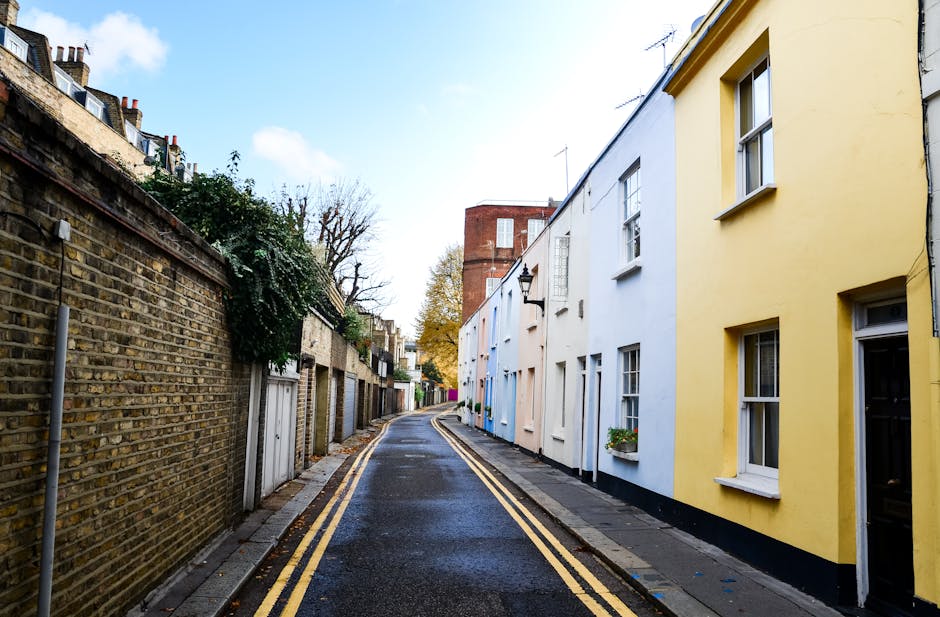
Picture a move from a first-floor flat above a shop on Balham High Road. The front pavement is active, delivery vehicles come and go, and the stairwell inside is just wide enough for a person and a medium box, not a great deal more. The customer has a sofa, a bed frame, two wardrobes, several boxes of books, and a washing machine.
The first decision is not the van. It is access. The team checks whether the van can stop close enough without blocking the street too long. Then they identify which items need dismantling before the move starts. The wardrobes come apart, the bed frame is reduced, and the washing machine is secured separately. Boxes are grouped by room, and the heaviest ones are repacked so they are easier to carry.
What makes the move successful is not speed in the dramatic sense. It is control. The carrying route stays clear, items are handed off in a steady rhythm, and the load is planned so that unloading on the other end is quick. There is no frantic reshuffling. No one is standing around wondering which box has the kettle in it. Fine, that still happens a bit, but much less than usual.
For properties where access is especially tight, this kind of careful planning often matters more than the size of the vehicle. That is the main lesson, really: narrow street moves reward patience and punish assumptions.
Practical Checklist
Use this checklist before moving day. It keeps the key details visible when your head is full of everything else.
- Measure large furniture and doorways
- Confirm where the van can stop safely
- Check for parking restrictions and likely road congestion
- Pack boxes evenly and label them clearly
- Dismantle items that will not turn safely
- Protect floors, corners, and vulnerable surfaces
- Set aside a separate essentials box
- Keep keys, documents, chargers, and medication together
- Tell neighbours if access may be affected
- Review the moving plan with the team before loading begins
If you are moving while also dealing with a sale, rental change, or property handover, it can help to look at related local context such as property transactions in Balham. And if you are still deciding whether the area suits your next chapter, local insights on Balham and a Balham neighbourhood guide may be useful reading too.
Conclusion
A successful Balham High Road move is less about brute force and more about planning for the street you actually have. Narrow access, busy pavements, and limited stopping space all change the shape of the job. Once you accept that, the rest becomes much easier: choose the right vehicle, pack with care, measure the awkward items, and keep the route clear. Not exciting, but effective.
That is usually the difference between a stressful day and one that simply feels busy. You will still hear doors closing, tape ripping, and someone asking where the mugs went. But with a proper plan, it all feels manageable. And honestly, manageable is a very good thing on moving day.
Get a free quote today and see how much you can save.